
An Insight Into Wood Finishing Techniques
When it comes to enhancing the beauty of wood surfaces, choosing between staining and painting can be challenging. Each technique offers unique benefits and aesthetics, catering to different needs. In this guide, we’ll explore the core differences between these two popular methods, helping you make an informed decision for your next project.
What Is Painting?
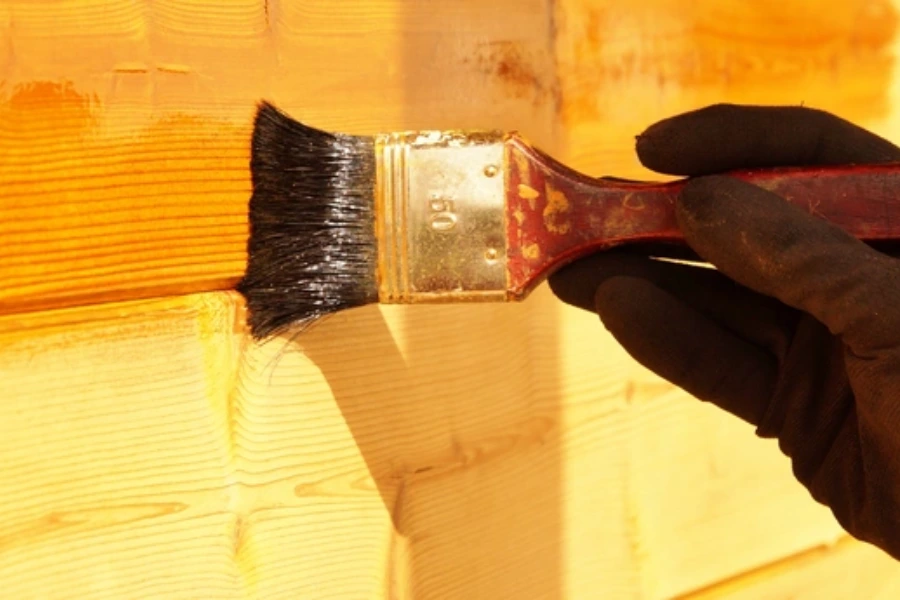
Painting involves applying a layer of pigment or color on a surface. This method covers the natural grain of wood, providing a smooth and uniform look. Paint is available in various finishes, such as matte, gloss, or satin, each offering distinct visual effects. It’s an ideal choice if you’re aiming to create bold, vibrant designs.
The Basics of Staining
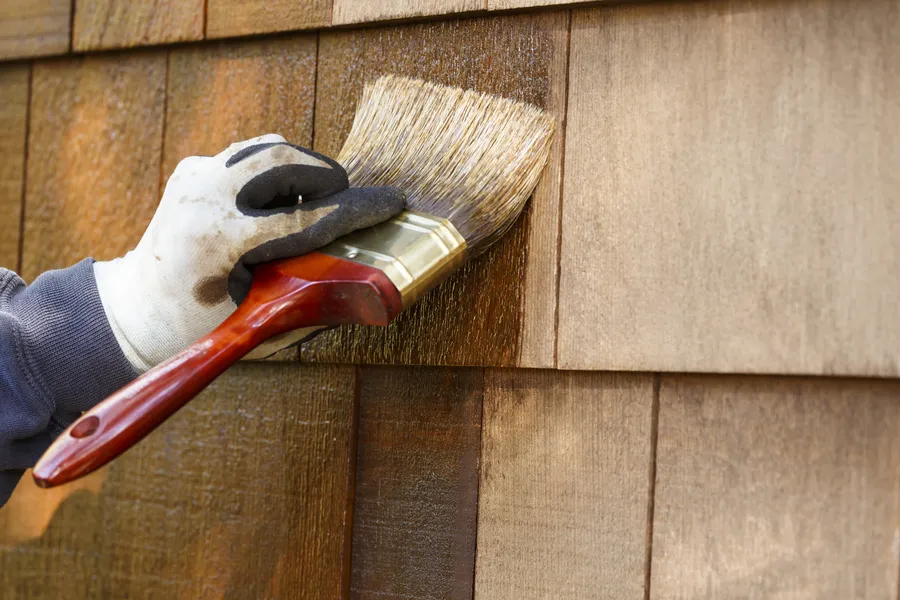
Staining enhances the natural beauty of wood by soaking into its fibers rather than covering them. It highlights the intricate grain patterns, adding depth and warmth to the material. This technique is perfect for those who appreciate the organic appeal of wood while protecting it from environmental elements.
Aesthetic Differences
One significant distinction between staining and painting lies in their visual outcomes. While paint provides an opaque finish that hides imperfections, stain allows the texture and grain of the wood to shine through. Choose paint for a polished appearance and stain for a rustic, natural feel.
Durability and Maintenance
Both staining and painting offer protection against wear and tear, but their maintenance requirements differ. Painted surfaces may require frequent touch-ups due to chipping or peeling, especially in high-traffic areas. In contrast, stained wood tends to withstand weathering better, needing only occasional sealing to maintain its luster.
Application Process
- Surface Preparation: Clean and sand the wood before applying any finish.
- Selecting Your Finish: Choose paint for full coverage; opt for stain to preserve the grain.
- Applying the Finish: Use brushes or sprayers for paint; cloths or brushes work best for stain.
- Drying Time: Allow adequate time for drying and curing based on the product’s instructions.
Cost Considerations
The cost of finishing depends on factors such as material quality and the area covered. Generally, painting might incur higher costs due to additional materials like primers and multiple layers. Staining often requires fewer coats, which can make it a more budget-friendly option if you’re working with large wooden surfaces.
Professional Recommendations for Your Project
Choosing between staining and painting ultimately depends on personal preference and the specific needs of your project. For outdoor furniture exposed to varying weather conditions, stain might be preferable due to its penetrative properties. On the other hand, if you desire bold colors indoors, painting could be more suitable.
Your Next Steps With Wood Finishing
If you’re ready to transform your wood surfaces, consider contacting Luna Painting today. Located in Houston, TX, our team specializes in both staining and painting services tailored to meet your preferences. You can reach us at (832) 300-0854 for professional advice and assistance with your wood finishing projects.